
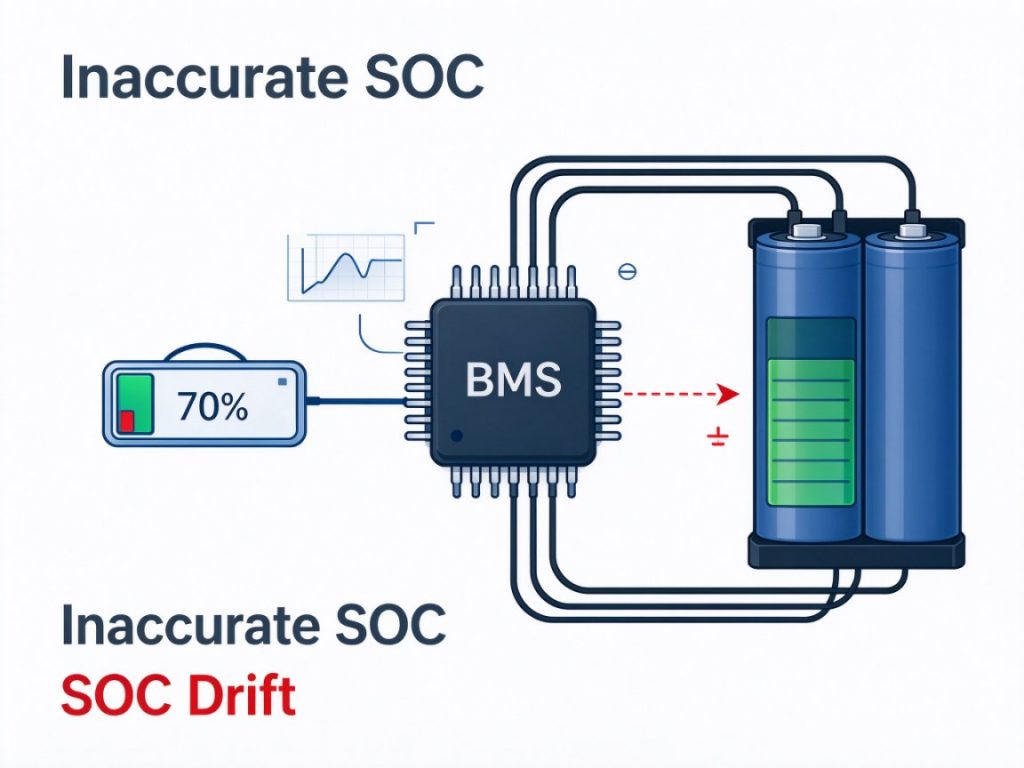
Every lithium battery project lives or dies by its BMS. Many engineering teams pick low-cost, ready-made BMS boards to speed up development, only to hit costly field failures, project delays and product recalls. Most of these problems trace back to five fundamental design weaknesses found in generic off-the-shelf BMS.
1. Inaccurate SOC Estimation
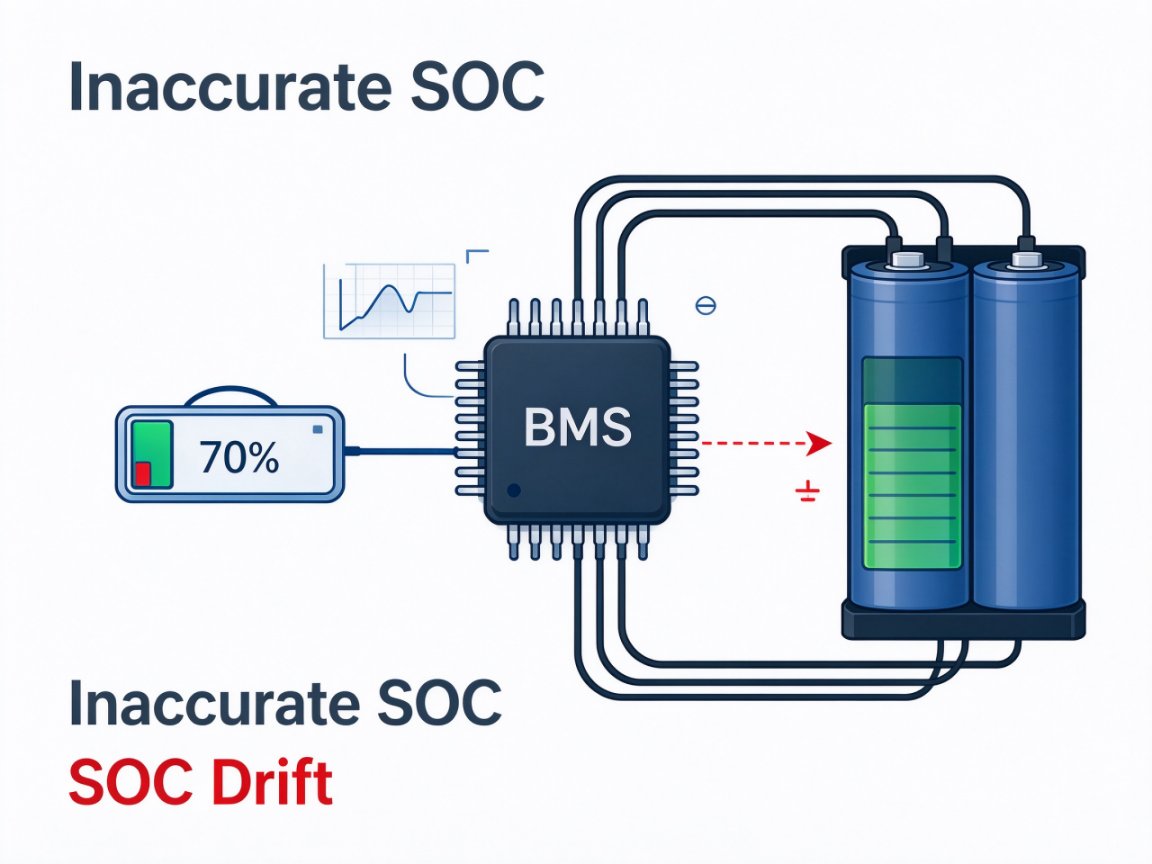
Generic BMS units rely on simple open-loop coulomb counting without adaptive calibration. Over charge-discharge cycles, SOC readings drift significantly. Your system may show 30% remaining capacity while the pack is nearly empty, or falsely report a full charge. These misreadings cause unexpected shutdowns, poor user experience and accelerated cell degradation.
2. Weak Cell Balancing Capability
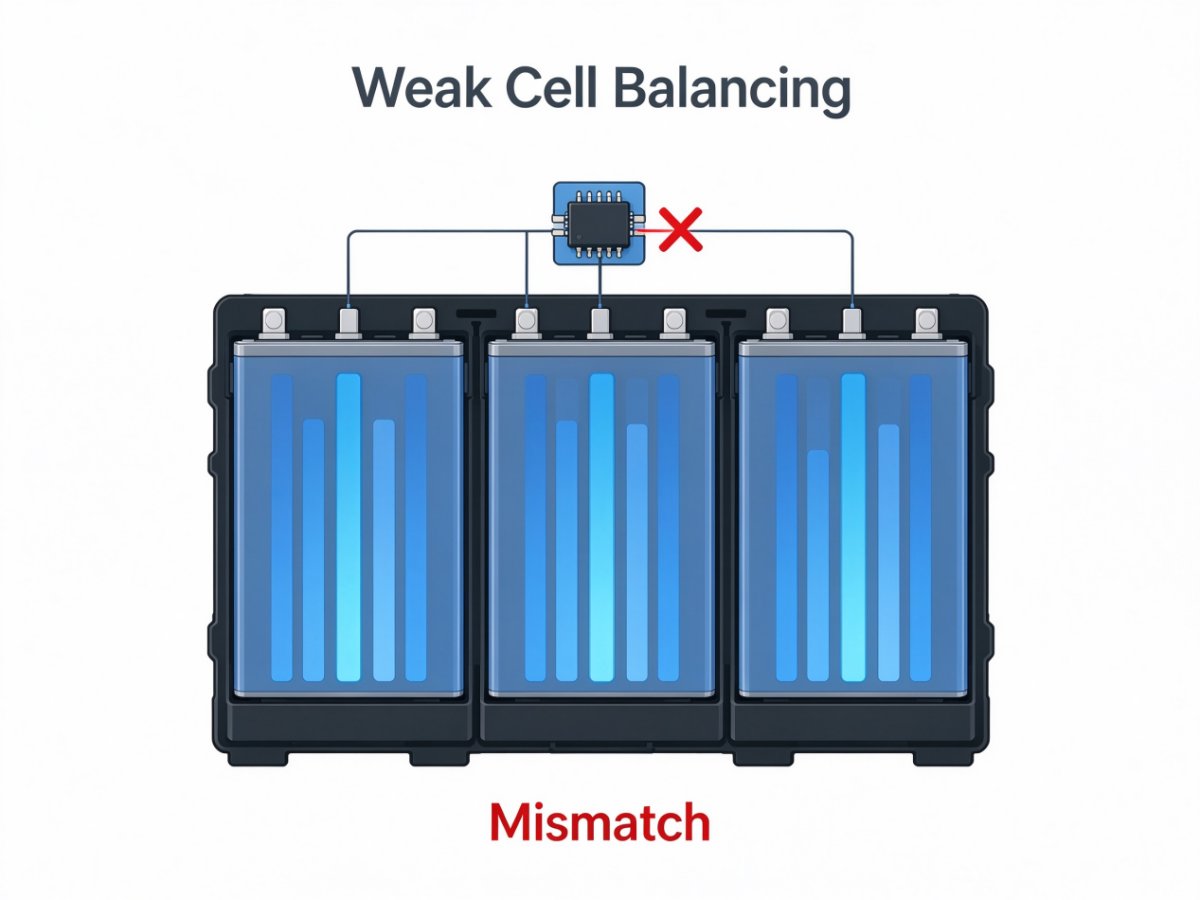
Most commercial BMS boards use low-current passive balancing that can only trim tiny voltage gaps near full charge. Once cell capacity mismatch accumulates, the imbalance cannot be corrected under heavy discharge or partial-charge states. The usable capacity of your battery pack shrinks cycle by cycle and overall pack life shortens.
3. Incompatible Communication Protocols
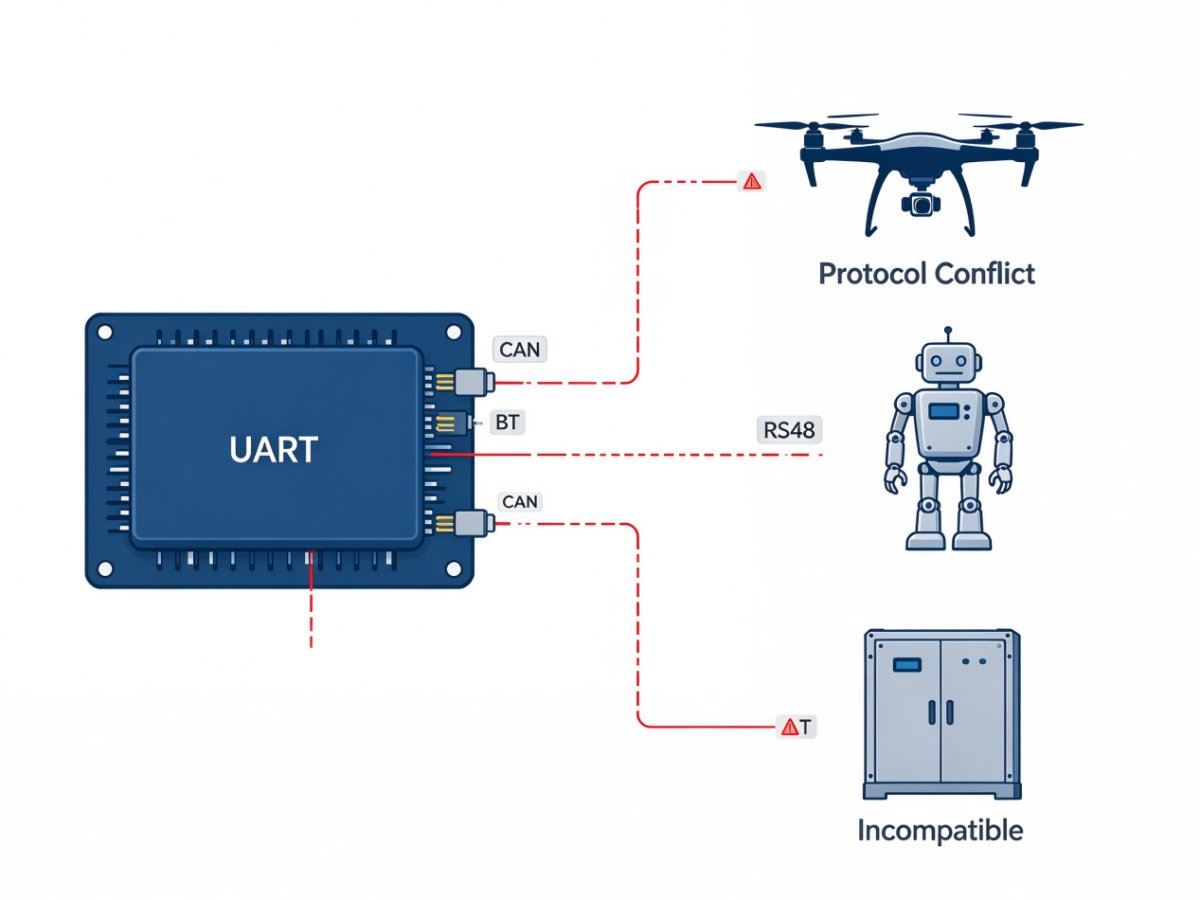
Standard BMS firmware is pre-programmed for basic UART communication. It cannot natively integrate with drones, robots, industrial controllers or energy storage hosts. If your system requires DroneCAN, CAN bus, RS485 or Bluetooth data transmission, an off-the-shelf BMS cannot match your host protocol, forcing extra hardware conversion modules and unstable data links.
4. Slow Protection Response at High Temperatures
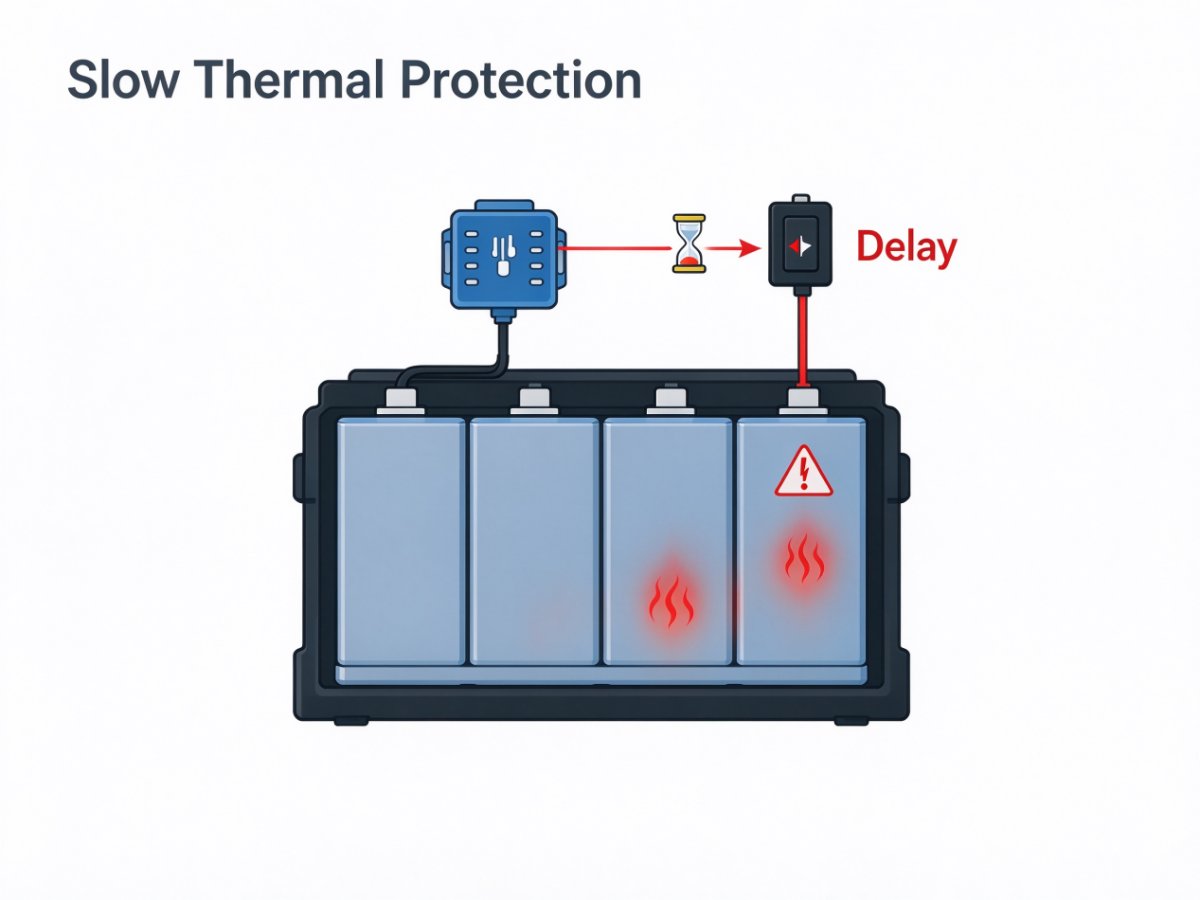
High-temperature environments are where generic BMS fails most often. When cells heat up under continuous high load, the protection circuit suffers delayed sampling and slow trigger response. Slow over-temperature protection raises the risk of thermal runaway, which is extremely dangerous for drones, mobile robots and high-power industrial battery packs.
5. Locked Firmware Without Customization
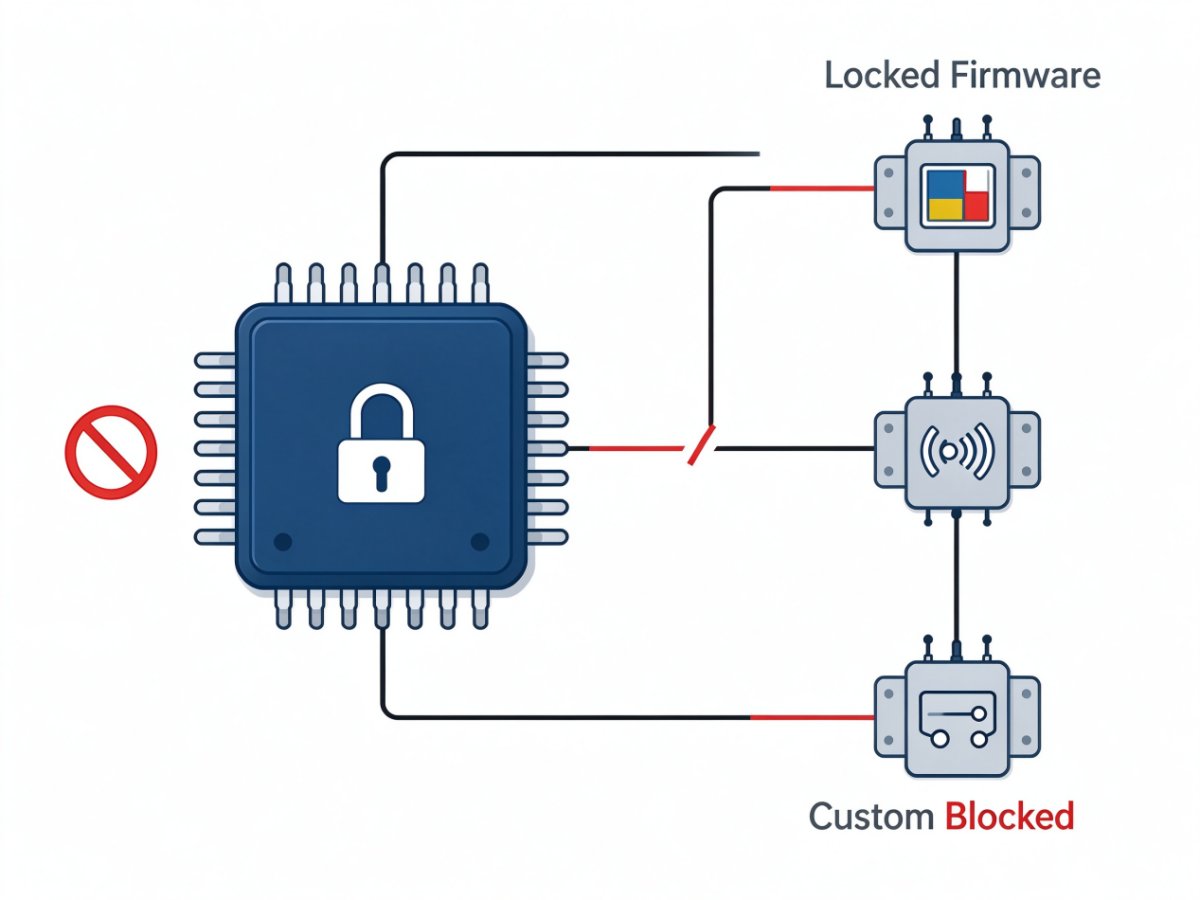
This is the biggest pain point for OEM and project developers. Most BMS vendors only sell pre-flashed standard boards. They refuse — or cannot — modify core control logic, protection thresholds, data reporting rules or the state machine to fit your unique project requirements. As a result, you have to compromise your whole battery system just to match fixed BMS firmware.
Custom BMS Solution from VastSea
At VastSea, we build self-developed BMS designed for custom lithium battery projects instead of selling rigid ready-made boards. Our R&D team tailors firmware logic, protection parameters and communication workflows to match your application:
- Multi-protocol support: DroneCAN / CAN bus / RS485 / Bluetooth
- High-precision SOC algorithm with continuous calibration
- Powerful active & passive balancing to maintain cell consistency over long cycles
- Fast-response thermal protection for high-load, high-temperature scenarios
- Full firmware customization for project-specific logic and data reporting
If your project demands reliable, adaptable battery management rather than a generic commodity BMS, talk with VastSea about a tailored BMS solution.